
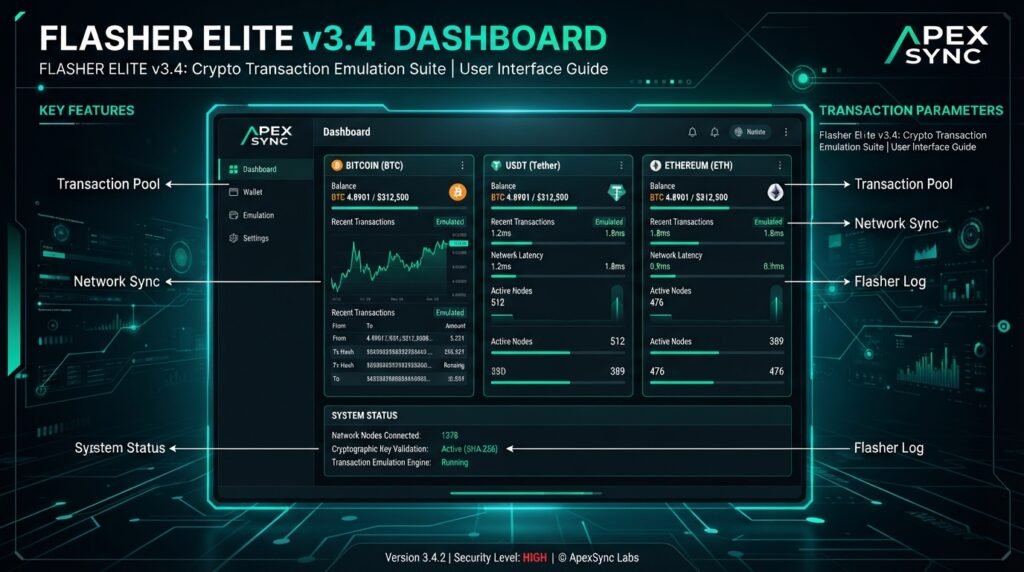
A crypto flasher tool is a term used across cryptocurrency communities to describe software associated with cryptocurrency-related flashing functionality. Because the terminology is not standardized, the exact features and capabilities can vary significantly between software products.
If you’re researching a crypto flasher tool, crypto flasher software, or crypto flash software, it’s important to understand what the software actually does, which cryptocurrencies and blockchain networks it supports, and how its features can be verified.
This guide explains the main things to consider when researching cryptocurrency flasher software.
What Is a Crypto Flasher Tool?
A crypto flasher tool generally refers to software marketed around cryptocurrency flashing functionality.
The term itself does not represent a standardized feature of Bitcoin, Ethereum, USDT, or another blockchain protocol. Different providers can use the terminology to describe different software features.
For that reason, users should examine the actual product specifications instead of assuming that every crypto flasher tool offers the same capabilities.
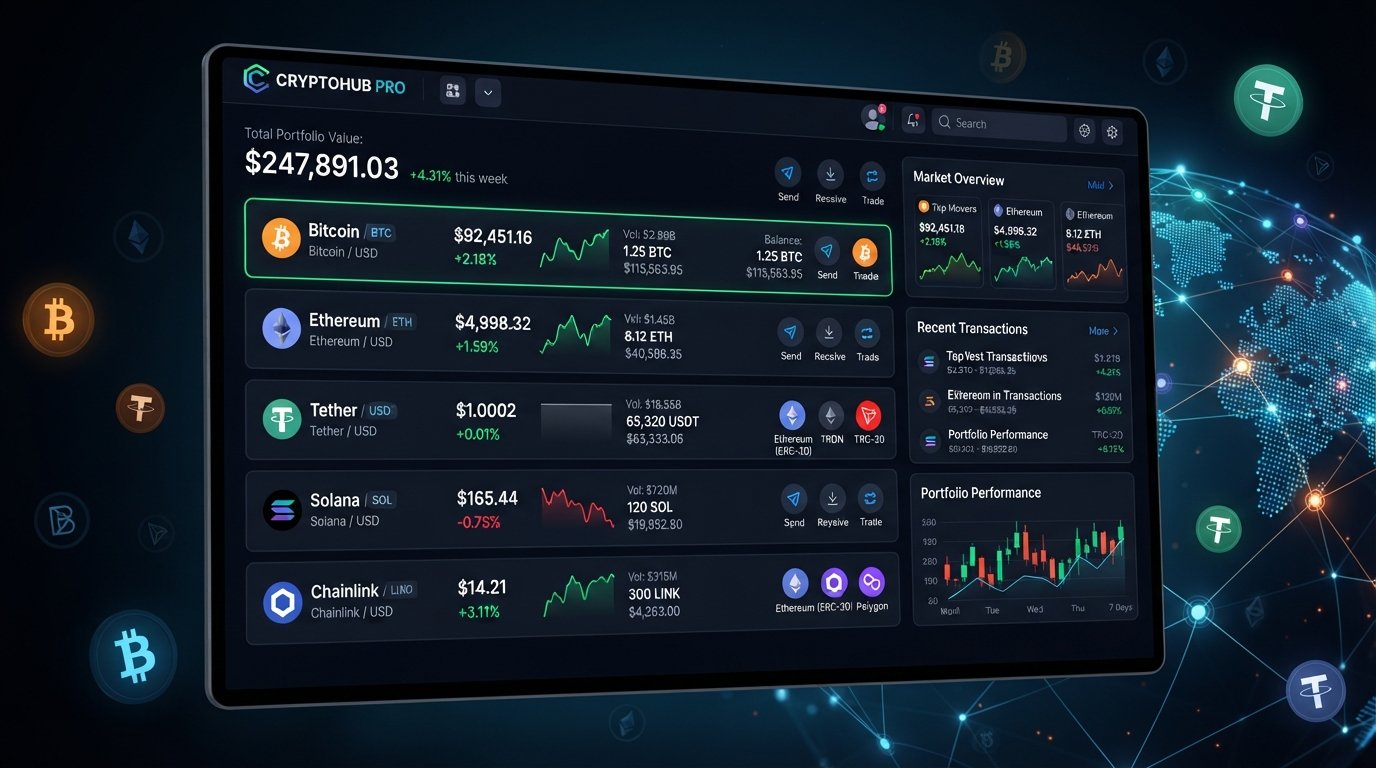
Crypto Flasher Software and Multiple Cryptocurrencies
One of the main differences between cryptocurrency software products is the number of digital assets they support.
A multi-crypto platform may be designed to work with several supported cryptocurrencies instead of focusing exclusively on Bitcoin or USDT.
Depending on the specific product, supported assets may include:
- Bitcoin
- USDT
- Ethereum
- Other supported cryptocurrencies
Always check the provider’s current cryptocurrency list before purchasing software.
Multi-Network Cryptocurrency Support
Cryptocurrency assets can operate across different blockchain networks and protocols.
For example, USDT can be available through networks such as Ethereum and Tron. Other digital assets may also have multiple network implementations.
This means crypto flasher software should clearly identify which networks it supports.
Before using a software product, verify:
- Supported blockchain networks
- Supported cryptocurrencies
- Wallet compatibility
- Platform compatibility
- Network-specific requirements
What Features Should a Crypto Flasher Tool Have?
The available features depend on the specific software product, but several areas are particularly important when comparing cryptocurrency tools.
Multi-Crypto Support
A multi-crypto tool can provide access to supported digital assets through one software environment.
This can be useful for users who work with different cryptocurrencies instead of relying on a Bitcoin-only tool.
Multi-Network Support
Multi-network compatibility can provide additional flexibility when working with cryptocurrencies available across different blockchains.
However, network support should always be confirmed from the provider’s documentation.
Wallet Support
A cryptocurrency software product should clearly explain which wallet environments are supported.
Different wallets can have different requirements for cryptocurrencies and blockchain networks.
Platform Support
Check whether the software works with your intended platform or operating environment.
Compatibility can depend on the software version, cryptocurrency, network, and wallet being used.
Adjustable Software Settings
Depending on the product, users may have access to configurable settings designed to provide greater control over supported features.
Check the software documentation to understand which settings are available with your particular license.
Software Updates
Blockchain technology and cryptocurrency platforms change regularly.
Software updates can provide applicable improvements, compatibility changes, security updates, and new functionality.
When comparing licenses, check what update access is included.
Crypto Flasher Tool vs. Blockchain Transaction
It is important to distinguish software functionality from the blockchain itself.
A blockchain transaction is recorded by the relevant blockchain network and can be independently examined using transaction information.
A software application, meanwhile, can provide an interface for performing or displaying particular functions.
If a software product claims that an action creates an on-chain transaction, users should be able to verify the relevant transaction information through the appropriate blockchain network.
Independent verification is particularly important when cryptocurrency has financial value.
How to Verify Cryptocurrency Transactions
When checking a cryptocurrency transaction, first identify the blockchain network involved.
You can then use an appropriate blockchain explorer to examine available transaction information.
Depending on the blockchain, information may include:
- Transaction hash or ID
- Sender address
- Recipient address
- Amount
- Token contract
- Block information
- Confirmation status
This provides a more reliable method of checking blockchain activity than relying solely on screenshots or software interfaces.
Crypto Flasher Tool for Bitcoin and USDT
The terms BTC flash software, USDT flash software, and crypto flasher tool are often searched together because users may be interested in software supporting different digital assets.
Bitcoin is the native asset of the Bitcoin blockchain.
USDT, on the other hand, is a stablecoin issued across multiple blockchain protocols.
Therefore, software that supports Bitcoin does not automatically support every USDT network, and USDT support does not automatically mean that every cryptocurrency is supported.
Always check the specific asset and network list.
How to Choose a Crypto Flasher Tool
Choosing a crypto flasher tool should start with your actual requirements.
1. Check Supported Cryptocurrencies
Identify the cryptocurrencies you need and compare them with the software’s documented support.
2. Check Supported Networks
Make sure the networks you use are included.
3. Review Wallet Compatibility
Confirm that your preferred wallet environment is supported.
4. Compare License Plans
Look at the available access periods, features, usage allowances, updates, and support.
5. Read the Product Documentation
Review the provider’s product information carefully before purchasing.
6. Consider Customer Support
Check how the provider handles technical and licensing questions.
Crypto Flash Software License Options
Different cryptocurrency software providers offer different licensing structures.
Licenses can vary according to:
- Access duration
- Available features
- Usage allowances
- Supported cryptocurrencies
- Network support
- Software updates
- Customer support
If you’re comparing software options, you can view our available Bitcoin Flash Software licenses and compare the plans offered.
Security Considerations for Crypto Software
Security should always be considered when working with cryptocurrency software.
Never Share Your Seed Phrase
Your wallet seed phrase and private keys should remain private. Never provide them to another person or untrusted application.
Verify Wallet Addresses
Check the recipient address carefully before confirming a cryptocurrency transaction.
Confirm the Network
Always verify that the selected blockchain network matches the receiving wallet or platform.
Verify Transactions Independently
Use the appropriate blockchain explorer when you need to confirm blockchain activity.
Download From Trusted Sources
Only obtain cryptocurrency software from sources you trust and review the software’s documentation before installation.
Frequently Asked Questions
What is a crypto flasher tool?
A crypto flasher tool is a general term used for cryptocurrency software associated with flashing-related functionality. It is not a standardized blockchain technology, so capabilities vary between products.
What is crypto flasher software?
Crypto flasher software refers broadly to software marketed around cryptocurrency flashing functionality. The exact features depend on the individual product.
Can a crypto flasher tool support multiple cryptocurrencies?
Some products are designed with multi-crypto functionality. Check the provider’s current supported asset list before purchasing.
Can crypto flasher software support multiple blockchain networks?
Some software products offer multi-network functionality. Network support should always be verified against the provider’s documentation.
What is the difference between a crypto flasher and a blockchain transaction?
A crypto flasher is software, while a blockchain transaction is activity recorded on a blockchain network. A claimed on-chain transaction should be independently verifiable through the relevant network.
What should I check before buying crypto flash software?
Check supported cryptocurrencies, networks, wallets, platforms, license duration, usage allowances, updates, customer support, and the provider’s terms.
Final Thoughts
A crypto flasher tool can refer to different types of cryptocurrency software, which is why understanding the actual functionality is more important than the terminology.
When comparing crypto flasher software, look at multi-crypto support, blockchain network compatibility, wallet support, platform compatibility, software updates, licensing, and customer service.
For users interested in Bitcoin and multi-crypto software options, you can explore our available BTC Flash Software licenses.
You can also read our BTC Flash Software Reviews before making a decision.
Explore Crypto Software Options
Compare available software licenses and find an option that matches your requirements.